Knowing how to verify a tenant payment request before sending can prevent many avoidable billing questions. Before an email goes out, confirm that it identifies one specific charge, covers the correct period, shows the right amount, explains any shared-cost split, and gives the tenant a clear due date and next step. The calculation matters, but so does the context around it.
A request that simply says “payment due: $85” may be mathematically correct while still creating uncertainty. Is it rent, water, internet, a prior balance, or several charges combined? A quick review before sending gives both sides a record they can understand without searching through old messages.
1. Start with one identifiable charge
Each request should relate to a specific obligation. Use a charge name that lets the tenant recognize the item immediately, such as “June rent,” “April water,” or “May internet.” A broad label like “utilities” is harder to trace when more than one bill is outstanding or when a tenant needs to match a payment to a request.
Keep fixed rent and changing shared expenses as separate records. Rent is often a recurring fixed amount, while a utility charge can vary and may cover a service period different from the month in which the bill arrived. Separate records make it possible to answer a question about one charge without making the status of another unclear.
2. Check the billing or rental period
The period is what turns an amount into a recognizable charge. For rent, state the rental month. For a utility or other shared expense, state the actual service dates or billing month shown on the source bill. A water bill received in May, for example, may cover April service.
This detail helps prevent two common errors: requesting payment for the wrong cycle and making a current bill look like an old balance. It is especially useful when a tenant has already paid a similar amount in a previous month.
3. Verify the source amount before calculating shares
For a variable expense, compare the amount entered into the request with the underlying bill or supporting record. Correct split math cannot fix an incorrect bill total. Also confirm whether any part of the expense belongs to an owner-used area or common area before determining the amount that will be allocated to tenants.
Then apply the documented allocation method consistently. An equal split divides the tenant-paid portion evenly among the agreed people or units. A percentage split applies each agreed share to the tenant-paid amount. The appropriate method should follow the rental arrangement and applicable requirements, not change because a different method produces a more convenient result in a given month.
If you need to check the numbers for one bill, our Utility Bill Split Calculator calculates equal and percentage-based shares. For recurring unit percentages based on equal unit shares or square footage, use the Unit Split Percentage Calculator.
4. Make the split visible when the cost is shared
A tenant should not have to reconstruct a utility calculation from a dollar amount alone. For a shared bill, include the full bill amount when useful, the agreed split basis, and the tenant’s exact share. This lets the recipient see both the result and how it was reached.
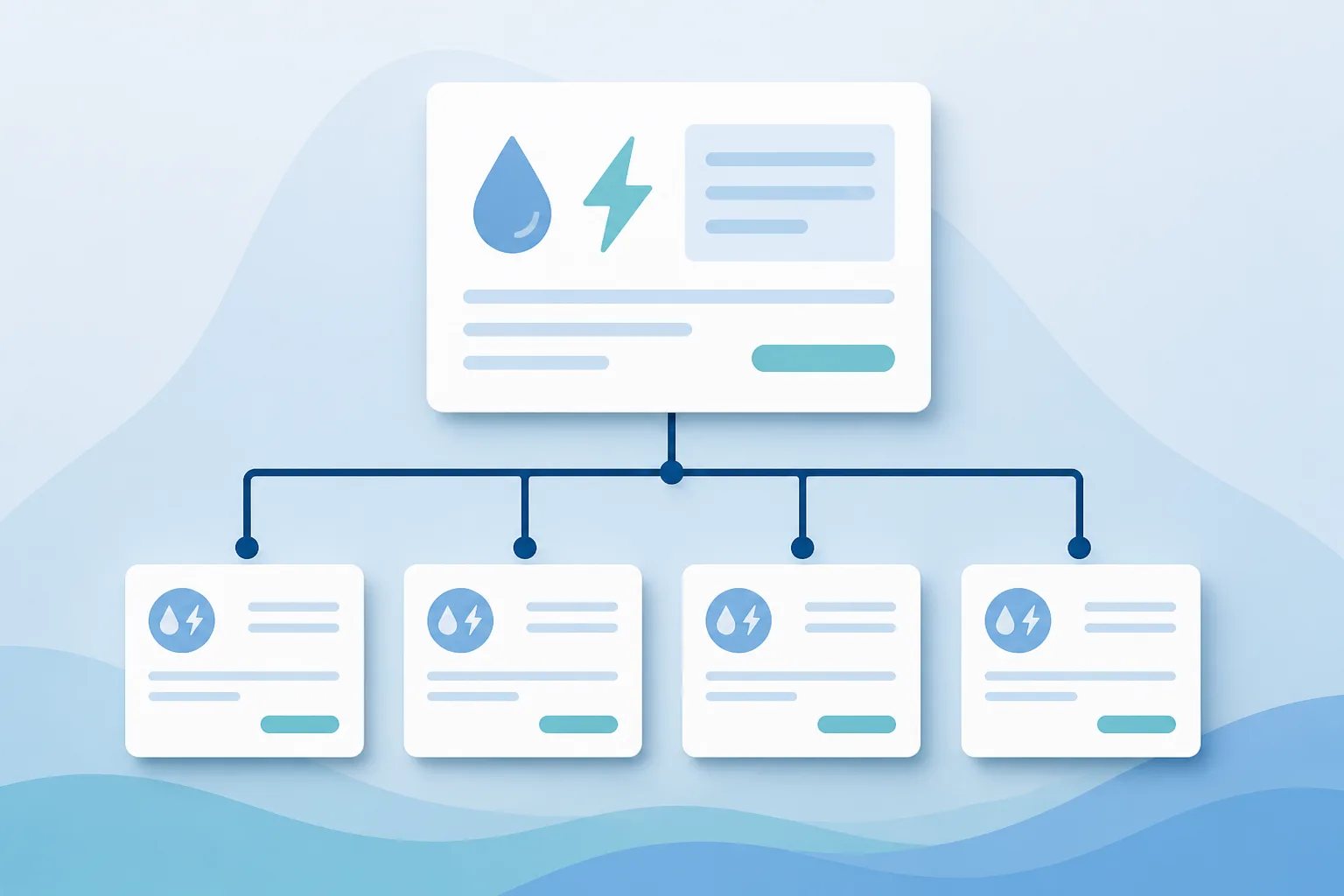
For example, a request can state: “Your April water share is $50. The total bill is $200, divided equally among four agreed tenants. Payment is due May 10.” The request identifies the expense, period, total, method, individual amount, and deadline in a few sentences.
Where the arrangement uses fixed percentages, state the percentage and the source amount. Where an owner or common area is responsible for part of a bill, establish that amount first so the difference between the full bill and the tenant-paid total is understandable.
5. Confirm the due date and action are unambiguous
Every request needs a full calendar due date. “By the end of the week” and “soon” can be interpreted differently, particularly when the email is read later. A specific date also creates a clear point for reviewing a request’s status.
State what the tenant should do next, using the payment arrangement already in place. If confirmation is expected after payment is sent, say so. Give the tenant a route to ask about the bill or calculation before a small uncertainty becomes a long exchange.
Keep the message direct and non-personal. The purpose of an original request is to document the charge and prompt action, not to make assumptions about a tenant’s intentions. Individual requests also avoid disclosing another tenant’s amount or payment status in a group message.
Pre-send audit
Check these seven details before sending
Review each item against the source bill, rental arrangement, and current tenant record before delivering a rent or shared-expense request.
- Name the specific charge rather than using a broad label.
- Confirm the rental month or utility service period.
- Compare the entered amount with the fixed charge or source bill.
- Verify participating tenants, owner or common-area portions, and the documented split.
- Show the tenant's exact amount and the calculation basis for a shared cost.
- Add a specific calendar due date and clear payment or confirmation step.
- Confirm the correct recipient and the record that will track the request's status.
6. Decide how the request will be tracked after delivery
Sending the request is not the end of the record. Before delivery, make sure the request will remain connected to the charge details, due date, and payment status. A simple set of statuses is usually enough:

- Pending: the request was sent, but payment has not been confirmed.
- Paid: payment was received and confirmed.
- Overdue: the due date passed without confirmed payment.
- Cancelled: the request should no longer be collected, often because it was corrected or replaced.
Update a confirmed payment promptly. Leaving it pending can trigger an unnecessary reminder. If a request contains an error, retain the original history, cancel it where appropriate, and issue a replacement with a clear final amount. Quietly changing an earlier figure can make later reconciliation harder.
7. Keep routine reminders separate from formal notices
A routine email can identify a pending request, ask for payment confirmation, offer to resend the details, or answer a question about the calculation. It is not automatically a formal late-payment notice. Requirements for notices, fees, and tenancy consequences can vary by jurisdiction, so review the rental agreement and applicable requirements before using enforcement language.
Administrative boundary
Routine payment emails are not formal notices
Use ordinary payment emails to document a charge, clarify a pending status, or request confirmation. Before referring to fees, legal action, or tenancy consequences, review the rental agreement and the requirements that apply to the property.
For an ordinary follow-up, rely on the record: name the expense, period, amount, original due date, and current status. If a tenant says payment was sent, check whether it was received but not recorded or linked to a different request before sending another reminder.
Use one repeatable review instead of relying on memory
A pre-send audit is most useful when it happens every billing cycle, not only after a question arises. The request should be complete enough that a tenant can recognize the charge, verify a shared calculation, and take the next step without searching through earlier emails.
We built zSplit to keep this workflow organized. You can set equal or custom percentage splits, send email payment requests for rent and shared expenses, and keep sent request details available for review. Our guide to using zSplit explains the setup and monthly workflow.
The final check is simple: if you can identify the charge, period, calculation, amount, deadline, and current record at a glance, the request is ready to send.
Helpful answers
Frequently Asked Questions
Keep payment requests clear from the first send
Create a free zSplit account to organize shared expenses, send email payment requests, and keep the details connected.